Best AI Video Generators 2026: Top Text-to-Video Tools Reviewed & Compared
The rise of AI video generators in 2026 marks one of the most explosive trends in technology and content creation. As artificial intelligence continues to evolve at breakneck speed, tools that convert simple text prompts into high-quality videos are transforming industries from marketing and entertainment to education and social media. This article explores why AI video generator technology is dominating searches and discussions right now, the best tools available, how they work, their benefits, limitations, and what the future holds for AI-generated video content.
What is an AI Video Generator?
An AI video generator is a tool powered by advanced machine learning models, often diffusion-based or transformer architectures, that creates videos from text descriptions (text-to-video), images (image-to-video), or even existing clips. Users input a prompt like "A futuristic cityscape at sunset with flying cars zooming between skyscrapers," and the AI produces a short clip, complete with motion, lighting, and realistic details.
In 2026, these tools have matured significantly. Early limitations like short durations, unnatural movements, and artifacts have been largely addressed, with many platforms now supporting 1080p or higher resolutions, longer clips (up to minutes), and features like consistent character generation, lip-sync, and style customization.
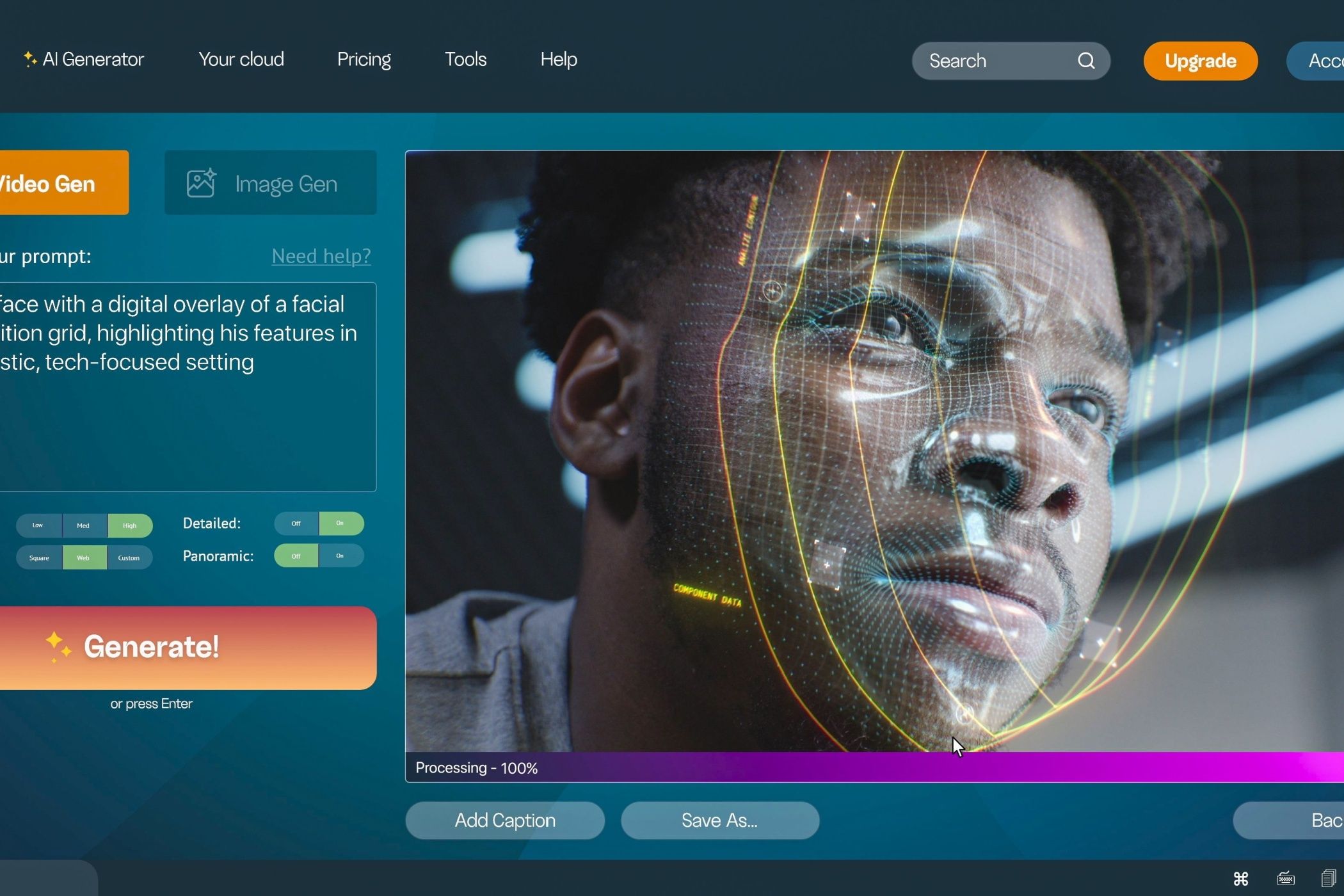
This screenshot shows a modern AI video generator interface in action, where users refine prompts and adjust settings like detail level and aspect ratio for professional results.
Why AI Video Generators Are Trending in 2026
Several factors fuel the surge in popularity:
- Accessibility: No need for expensive cameras, crews, or editing software. Anyone with a prompt can create cinematic content.
- Speed: Videos generate in minutes, revolutionizing rapid prototyping for ads, social reels, and YouTube shorts.
- Cost-Effectiveness: Free tiers and affordable plans make it viable for creators, businesses, and educators.
- Integration with Other AI: Combined with AI image enhancers, voice synthesis, and editing tools, it forms a complete content pipeline.
- Applications Boom: From personalized marketing videos to immersive educational content and viral social media experiments.
Google Trends and industry reports highlight AI video generator as a top breakout search, alongside related terms like text to video AI, best AI video tools 2026, and Sora AI alternatives.
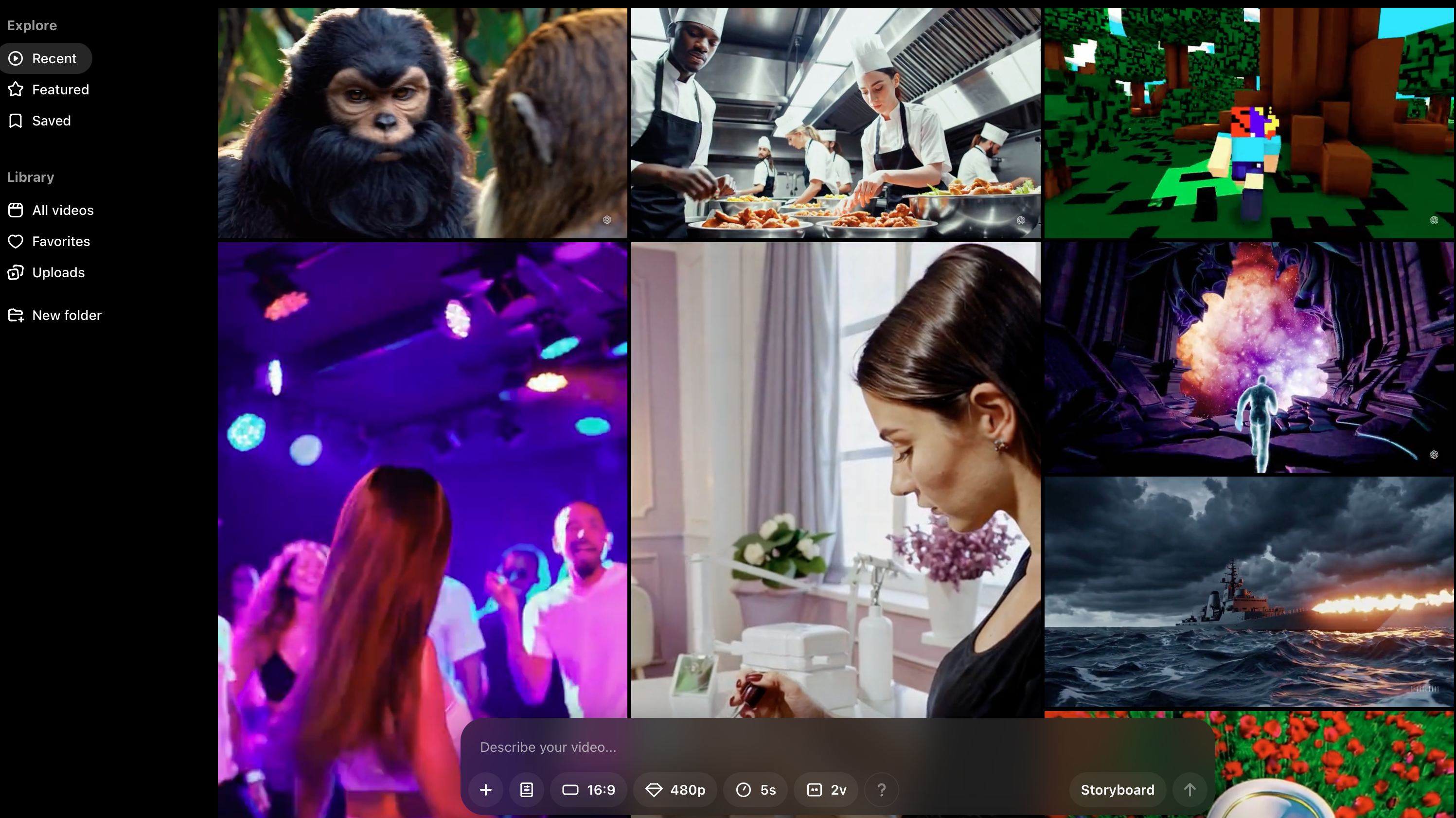
Here are stunning examples of AI-generated clips, showcasing diverse scenes from wildlife to urban chaos, demonstrating the versatility of current models.
Top AI Video Generators in 2026
Several standouts dominate the landscape:
- Sora (OpenAI) — Known for hyper-realistic physics and long coherent scenes.
- Runway ML — Excellent for advanced editing and motion control.
- Pika Labs — User-friendly with strong lip-sync and character consistency.
- Luma AI (Dream Machine) — Great for dreamlike, high-fantasy outputs.
- Kling AI — Impressive realism in human movements.
- HeyGen — Leader in avatar-based talking-head videos.
- Magic Hour — All-in-one platform with 100+ free tools.
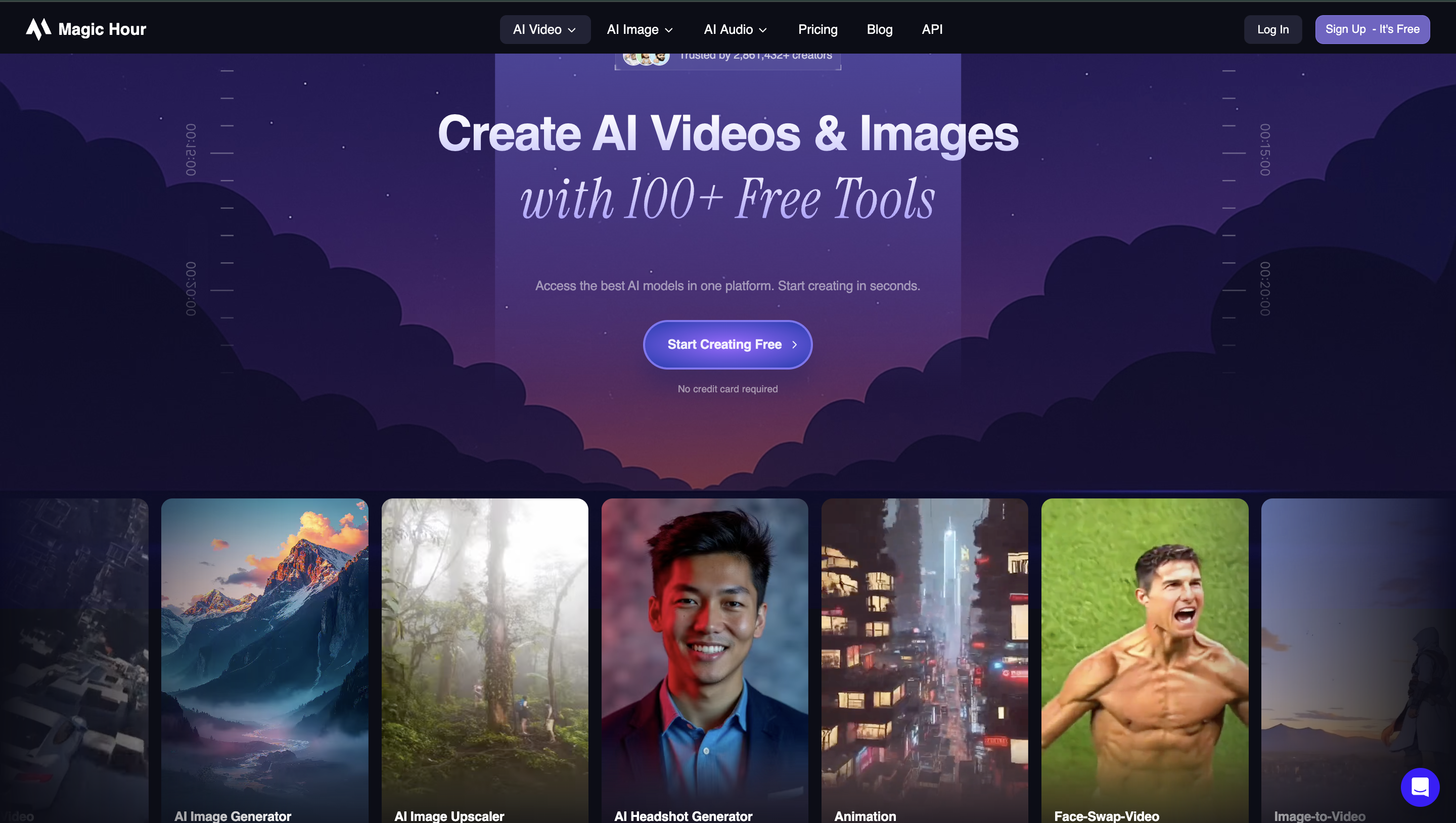
This dashboard from a popular platform illustrates the explosion of creative possibilities, with galleries of user-generated AI videos and quick-start prompts.

Visual overview of leading AI video generators, highlighting logos and key features like Sora integration for cutting-edge results.
Benefits and Use Cases
AI video generators empower:
- Marketers — Create personalized ads and product demos instantly.
- Content Creators — Produce YouTube intros, TikTok effects, or explainer videos without filming.
- Educators — Animate historical events or scientific processes.
- Businesses — Generate training videos with custom avatars.

A creator immersed in editing an AI-generated video, representing how accessible professional-level production has become.
Challenges and Ethical Considerations
Despite the hype, issues remain:
- Quality Inconsistencies — Some models struggle with complex physics or long-term coherence.
- Copyright and Deepfakes — Risk of misuse for misinformation.
- Environmental Impact — High computational demands.
- Job Displacement — Concerns in creative fields, though many see it as augmentation.
Responsible use, watermarks, and detection tools are emerging to mitigate risks.
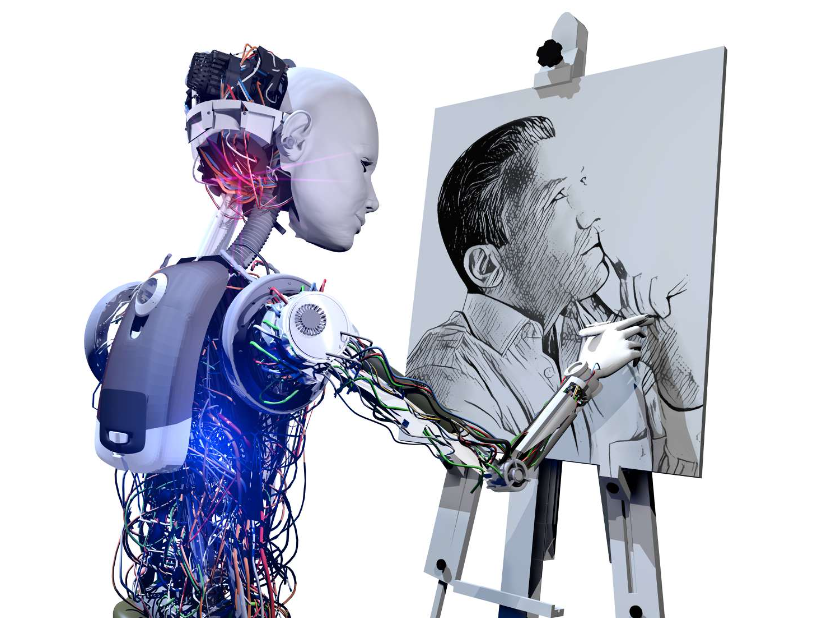
This illustration captures the debate: Will AI replace creators or collaborate with them in the future of video?
The Future of AI Video Generation
By late 2026 and beyond, expect real-time generation, interactive videos, full-length films from prompts, and seamless integration with AR/VR. The line between real and AI-generated video will blur further, making authenticity verification essential.
In conclusion, AI video generators are not just a trend—they're reshaping how we create and consume visual stories. Whether you're a beginner experimenting or a pro scaling content, now is the time to dive in.


Post a Comment