Slow Travel & Hidden Gems: The Biggest Travel Trends Reshaping How We Explore in 2026
Slow Travel & Hidden Gems: The Biggest Travel Trends Reshaping How We Explore in 2026
Forget the frantic 10-cities-in-10-days itinerary. In 2026, the most forward-thinking travelers are slowing down, going deeper, and choosing meaning over quantity. Here's everything you need to know about the travel trends that are defining this year — and how to make the most of them.
The Era of Intentional Travel Has Arrived
After years of social-media-fueled vacations packed with must-see landmarks and viral photo spots, a significant cultural shift is underway. Travelers in 2026 are asking a fundamentally different question before booking a trip: not "where can I go?" but "how do I want to feel when I get there?"
This pivot toward intentional, slow travel is being driven by a convergence of factors — mental exhaustion from modern life, growing awareness of overtourism, and a deeper desire for authentic human connection. According to a survey conducted on behalf of ALG Vacations, a remarkable 97% of Americans still plan to travel for leisure this year, yet the way they're doing it looks dramatically different from even two years ago.
🌿 Trend #1: The Rise of Secondary Cities
One of the most powerful forces reshaping travel in 2026 is the migration away from overcrowded tourist capitals toward so-called "secondary cities." These are destinations that sit just outside the major tourism hubs — often more affordable, less crowded, and far more culturally authentic.
Japan has been a standout example, actively promoting regional campaigns to draw visitors away from Tokyo and Kyoto toward smaller historic towns like Kanazawa, Matsumoto, and Beppu. Indonesia's government has gone even further, rolling out its ambitious "Tourism 5.0" strategy to develop five new super-priority destinations designed to relieve pressure on Bali. In Europe, travelers are flocking to cities like Porto instead of Lisbon, Bologna instead of Rome, and Ghent instead of Brussels.
The appeal is not just the absence of crowds. Secondary cities offer something priceless in today's homogenized travel landscape: genuine local life. The coffee shop that's never been featured on Instagram. The grandmother's trattoria with no English menu. The neighborhood festival that tourists simply stumble upon by luck.

Secondary cities and quiet villages are seeing a surge in traveler interest as people seek depth over breadth.
🧘 Trend #2: Wellness Travel Goes Science-Backed
Wellness travel is no longer just about spa weekends and yoga retreats — though those remain popular. In 2026, the sector has evolved into a serious, science-backed industry focused on longevity, mental resilience, and whole-body health. Travelers are booking Ayurvedic immersion programs in Kerala, India; surf-and-therapy escapes in Costa Rica; silent meditation retreats in the Canadian Rockies; and advanced biometric health checks at European longevity clinics.
The Virtuoso 2026 Luxe Report identifies wellness travel as one of the fastest-growing segments in the premium market, with clients increasingly viewing these trips not as a luxury but as a long-term health investment. The framing has shifted: this isn't a holiday, it's maintenance for your most important asset — yourself.
For budget-conscious wellness seekers, the good news is that the trend has also democratized. Affordable wellness hostels, community yoga retreats, and digital detox farmstays are cropping up across Southeast Asia, Latin America, and Eastern Europe, making the wellness travel movement accessible beyond the luxury tier.
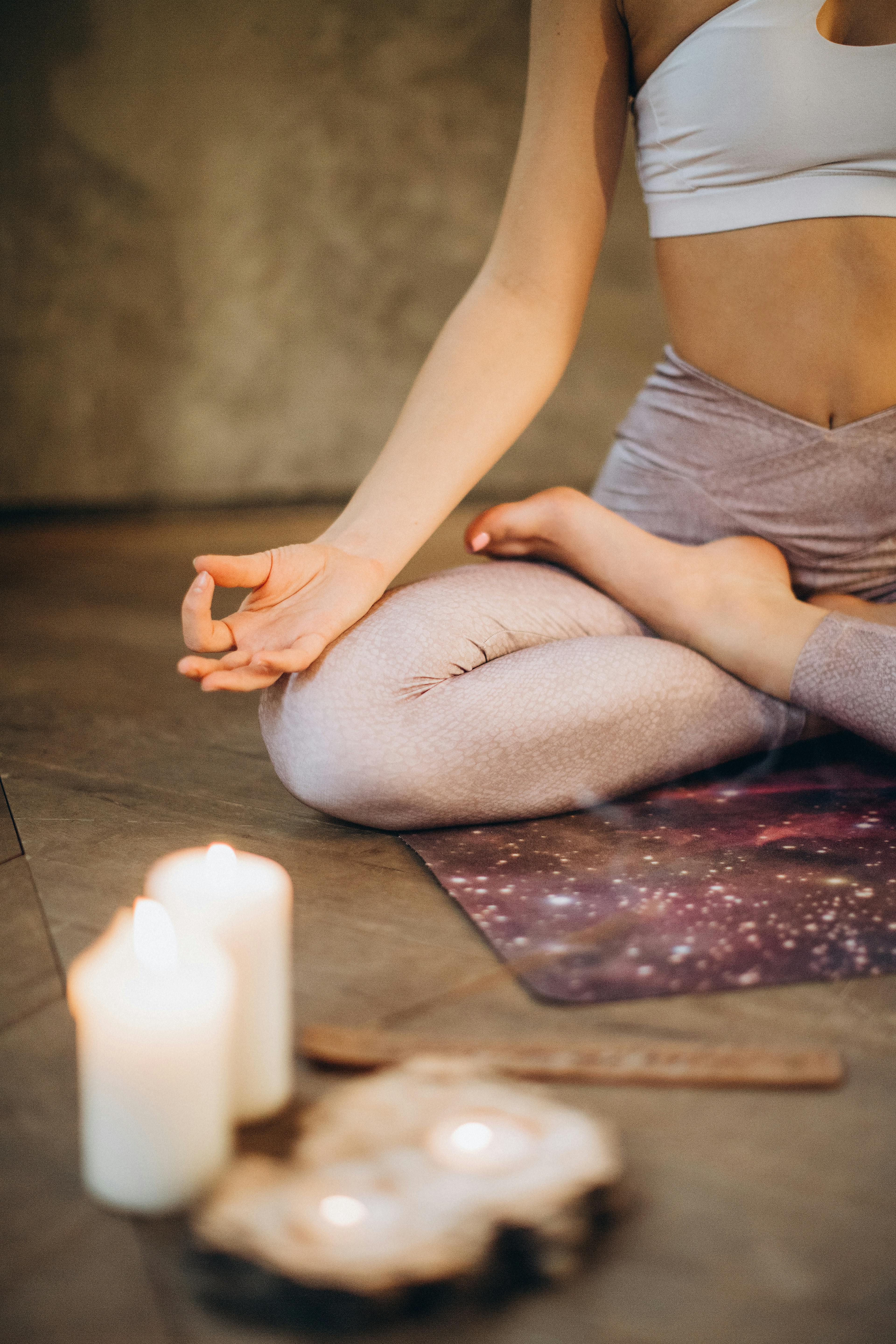
From Ayurvedic programs in India to silent retreats in Canada, wellness travel has become a mainstream priority for 2026 travelers.
🚶 Trend #3: Slow Travel & the "Longer Stay" Movement
The philosophy of slow travel — spending more time in fewer places, integrating into local rhythms rather than simply passing through — has moved from niche traveler circles into the mainstream. Rather than ticking off three countries in two weeks, 2026 travelers are booking one destination for ten days to three weeks, renting apartments, shopping at local markets, and building something closer to temporary residency than tourism.
This shift is being enabled by the continued rise of remote work flexibility. A growing cohort of professionals — often called digital nomads — are blending work and travel in ways that allow for genuine cultural immersion. But slow travel isn't just for remote workers. Retirees (including the oldest Gen Xers now joining their ranks) are embracing extended "golden gap year" adventures, taking overland journeys and lengthy cruise itineraries that would have seemed impractical to previous generations of retirees.
Slow travel also has a measurable positive impact on local economies. When travelers stay longer, they spend more at neighborhood restaurants, hire local guides, attend community events, and form relationships that persist well beyond the trip itself. It's a model of tourism that respects both the traveler's desire for depth and the host community's need for sustainable, respectful engagement.
🌙 Trend #4: Noctourism — Exploring After Dark
One of the most creatively compelling trends of 2026 is the rise of noctourism — the deliberate choice to explore destinations at night. Partly driven by increasingly brutal summer heat (particularly in southern Europe and Southeast Asia), noctourism is also being embraced for purely aesthetic and experiential reasons. The crowds thin, the lighting transforms, and many of the world's most famous sites reveal a completely different character after sundown.
National Geographic highlights this trend as one of the defining shifts of 2026, noting that travelers who visit iconic sites after dark often find them practically empty. Japan's historic districts at night, the ancient ruins of Rome illuminated after dusk, or Morocco's medinas under a full moon — noctourism is rewriting the itinerary playbook.
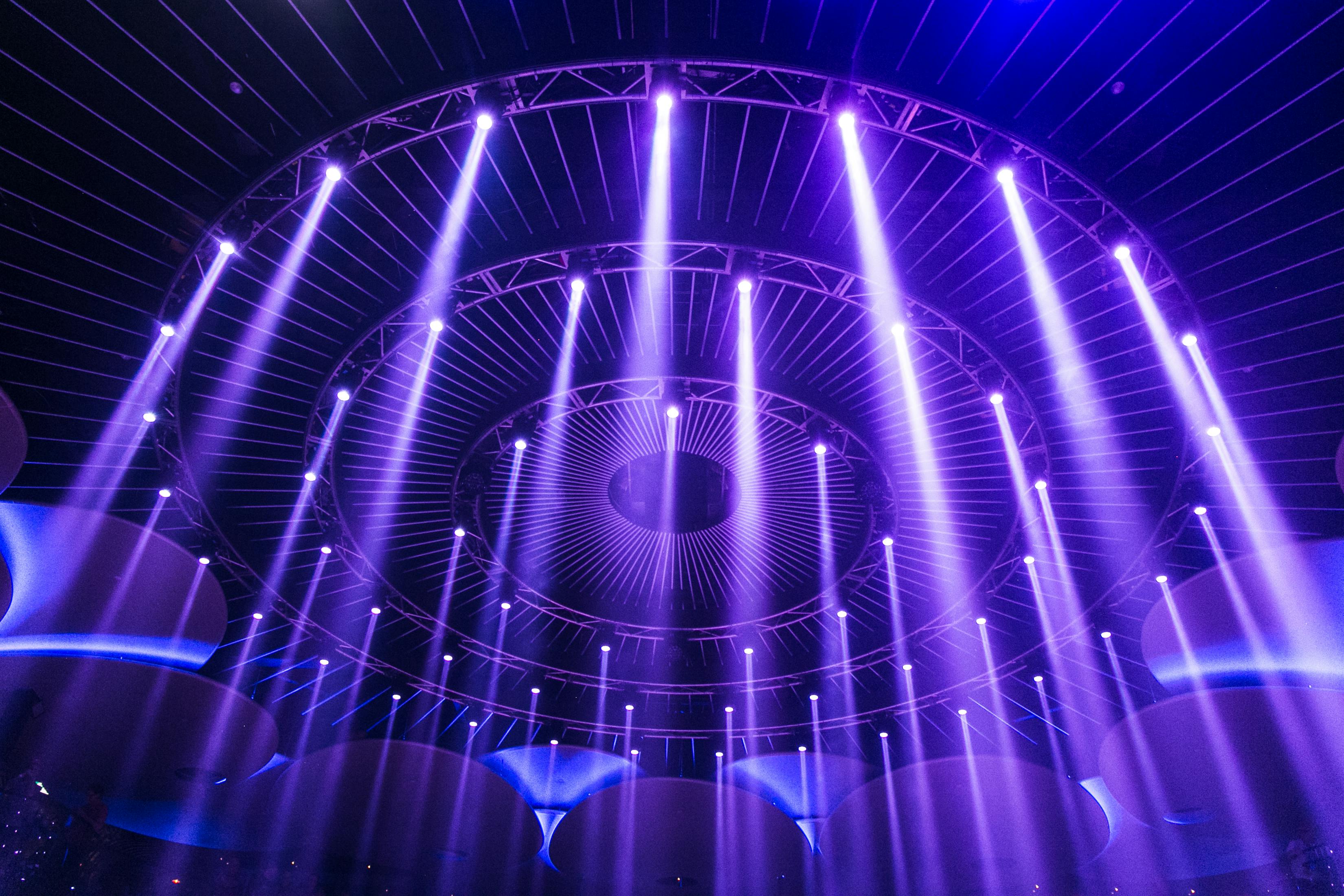
Noctourism is on the rise as travelers discover that the best version of many destinations appears after the crowds go home.
🌾 Trend #5: Agritourism & Farm Stays
From Tuscany's rolling vineyards to rice farms in Bali and organic homesteads in rural Ireland, farm stays and agritourism experiences are having a genuine moment. Travelers are drawn by the chance to disconnect from digital life, participate in meaningful physical work, eat food they've helped harvest, and understand the agricultural heritage of a place in ways no city hotel can replicate.
National Geographic's 2026 trend report identifies "life on the farm" as a key emerging niche, noting that the appeal spans demographics — from millennials seeking authenticity to families wanting educational experiences for children, to older travelers looking for peaceful, purposeful retreats.
🗺️ Trend #6: Decision-Free "Curated" Travel
Paradoxically, alongside the desire for deeper, more personal travel, there's also a surging demand for someone else to make all the decisions. The concept of "decision-free travel" has become a core expectation, especially among high-stress, time-poor professionals. All-inclusive resorts, curated package tours, and ultra-personalized travel agencies are thriving as a result.
Modern all-inclusives, however, look very different from the buffet-heavy resorts of the past. Hotels like Sensoria in the Dolomites are reimagining the format with locally sourced food, regional cultural programming, and immersive nature experiences — all bundled into one price so guests never have to think about logistics. It's the perfect blend of ease and authenticity.
How to Travel Intentionally in 2026: Practical Tips
Embracing 2026's travel philosophy doesn't require a complete overhaul of how you plan a trip. It starts with a few intentional choices. Consider building your next itinerary around a single region rather than multiple countries. Book accommodation that places you in a residential neighborhood rather than a tourist center. Schedule at least two or three completely unplanned days to let the destination surprise you. Seek out local guides through community platforms rather than large tour operators. And wherever possible, choose shoulder season travel — you'll avoid peak crowds, support local businesses during quieter months, and often find dramatically lower prices.
Climate-conscious travelers should also factor in the environmental impact of their choices. About 45% of advisors from Virtuoso say their clients are adjusting plans due to climate change, choosing destinations with moderate weather and gravitating toward operators with genuine sustainability commitments.
The Bottom Line
The defining travel story of 2026 is not about where people are going — it's about why, and how. The shift toward slow travel, wellness-first itineraries, secondary city exploration, and decision-light curated experiences signals something much larger than a passing trend. It reflects a fundamental re-evaluation of what a good trip actually means. Not the most countries visited. Not the most iconic photos taken. But the most genuine connection forged — with a place, a culture, and ultimately, with yourself.
Whether you're planning a two-week immersion in a Portuguese coastal town, a science-backed wellness retreat in the Indian mountains, or a simple farm stay an hour from your own city, 2026 is the perfect year to travel less — and experience more.
Ready to Travel Differently?
Start by choosing one destination — and giving it the time it deserves. The world's best travel experiences in 2026 aren't found by moving faster. They're found by slowing down.


Post a Comment